Laurence Klotz, MD, presented “Genomics and Natural History of MRI Invisible vs Visible Cancers: Implications for Clinical Practice” during the 9th Global Summit on Precision Diagnosis and Treatment of Prostate Cancer on September 15, 2025.
How to cite: Klotz, Laurence. “Genomics and Natural History of MRI Invisible vs Visible Cancers: Implications for Clinical Practice.” September 15, 2025. Accessed Dec 2025. https://grandroundsinurology.com/genomics-and-natural-history-of-mri-invisible-vs-visible-cancers-implications-for-clinical-practice-2/
Genomics and Natural History of MRI Invisible vs Visible Cancers: Implications for Clinical Practice – Summary
Laurence Klotz, MD, Professor of Surgery, University of Toronto, Sunnybrook Health Sciences Centre, Toronto, Canada, focuses on the clinical and genomic distinctions between magnetic resonance imaging (MRI)-visible and MRI-invisible prostate cancers, emphasizing how these differences affect biopsy strategies, focal therapy, and active surveillance.
Dr. Klotz explains that systematic biopsies often detect 10–20 percent of cancers not identified by targeted approaches, leading to concerns about occult cancers. He notes that this issue fuels systematic biopsies, patient anxiety, and skepticism toward focal therapy. He introduces radiogenomics as a new framework for understanding MRI visibility, demonstrating that it strongly correlates with genetic markers of aggressivity.
Radiogenomic studies consistently demonstrate that lesions visible on MRI display molecular features of aggressiveness, while invisible lesions resemble benign tissue. Clinical studies support these findings: outcomes are significantly worse for MRI-visible cancers compared with MRI-invisible ones, with marked differences in mortality, recurrence, and metastasis.
Dr. Klotz highlights long-term surveillance data showing no metastases among patients with MRI-invisible cancers after 2013, when MRI became part of routine practice. He stresses that targeted biopsies of visible lesions appear sufficient for accurate risk stratification, as invisible cancers rarely progress.
Dr. Klotz argues that MRI-invisible cancers generally exhibit indolent biology and limited clinical threat, supporting a shift away from routine systematic biopsies. This approach reduces overtreatment, lowers costs, and aligns with patient preferences for imaging-based monitoring.
The Global Summit on Precision Diagnosis and Treatment of Prostate Cancer is a unique multi-disciplinary forum organized to inform the key health care stakeholders about the emerging advances in clinical case and research and create a consensus-based vision for the future of precision care and educational and research strategy for its realization. The mission of the Summit is to fill the currently existing gap between the key experts of in vivo imaging, the world authorities in the in vitro fluid- and tissue-based molecular diagnostics, including genomics, and thought leaders in the development of novel observation strategies (e.g., active surveillance, or AS) and therapeutic interventions.
ABOUT THE AUTHOR
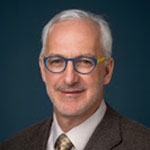
Laurence Klotz, MD, FRCSC, is a professor of surgery at the University of Toronto and the Sunnybrook Chair of Prostate Cancer Research. Dr. Klotz was the founding editor-in-chief of both the Canadian Journal of Urology and the Canadian Urology Association Journal (CUAJ), and he is now editor emeritus of the CUAJ. Dr. Klotz obtained his medical degree and completed his residency at the University of Toronto. He was also a uro-oncology fellow at Memorial Sloan Kettering Cancer Center in New York.
Dr. Klotz has 550 peer review publications and eight books. He coined the phrase “active surveillance” and successfully championed this approach for men with favorable-risk prostate cancer against substantial resistance. He was the associate editor of the Journal of Urology, responsible for prostate cancer, for eight years. Dr. Klotz received the Queen’s Jubilee Medal for outstanding public service, the University of Toronto's Lister Prize, the Society of Urologic Oncology’s SUO Medal, the American Urological Association’s Richard Williams Award, the University of Toronto's Lifetime Achievement Award, the Canadian Urological Association Lifetime Achievement Award, and the Harold Warwick Award from the Canadian Cancer Society for “outstanding contributions to cancer control.” In 2015 he was inducted as a Member of the Order of Canada, Canada’s highest civilian award.