How to cite: Attalla K. “Focal Therapy: Bridging a Treatment Gap and Building a Framework for Success.” October 23, 2025. Accessed Oct 2026. https://grandroundsinurology.com/focal-therapy-bridging-a-treatment-gap-and-building-a-framework-for-success/
Summary
Kyrollis Attalla, MD, Assistant Professor of Urology, Icahn School of Medicine at Mount Sinai, New York, New York, examines focal therapy as a strategy intended to bridge the gap between active surveillance and radical treatment in prostate cancer, while critically evaluating why outcomes remain inconsistent. He emphasizes that although adoption of focal therapy is accelerating, the underlying data supporting oncologic durability are limited and often concerning. He argues that success depends less on the ablative energy source and more on patient selection, diagnostic accuracy, and biopsy quality.
The candidate pool for focal therapy is expanding as more men are diagnosed with Grade Groups 2 and 3 disease. On paper, focal therapy candidates are defined as those with dominant unilateral lesions, prostate-specific antigen (PSA) less than 20, and localized disease. However, Dr. Attalla notes that this simplified framework fails to account for diagnostic blind spots, tumor heterogeneity, and limitations of magnetic resonance imaging (MRI) and biopsy interpretation.
Across ablative modalities, including high-intensity focused ultrasound, cryotherapy, and irreversible electroporation, reported failure rates consistently range from approximately 20 to 40 percent. Simulation studies using whole-mount prostatectomy specimens reveal that even men who meet ideal criteria for hemiablation frequently harbor clinically significant cancer in untreated tissue. These failure rates closely mirror real-world clinical outcomes across technologies, suggesting a shared diagnostic limitation rather than device-specific shortcomings.
Dr. Attalla reviews the weaknesses inherent in every step of prostate cancer workup, including PSA testing, biomarkers, MRI interpretation, biopsy sampling, and pathology variability. He stresses that the only modifiable variable under proceduralist control is biopsy technique. Transperineal MRI-fusion biopsy is presented as the most reliable approach for mapping disease and minimizing diagnostic blind spots, particularly in larger glands.
Dr. Attalla underscores the importance of multidisciplinary collaboration with radiology and pathology, cautious patient selection, and objective pathologic endpoints embedded within surveillance. He advocates for centralization of focal therapy in experienced centers and stresses that focal therapy should not be applied indiscriminately, particularly in biologically aggressive disease.
About the 28th Annual Southwest Prostate Cancer Symposium:
Presented by Program Chairs Nelson N. Stone, MD, Richard G. Stock, MD, and William K. Oh, MD, this conference educated attendees about advances in the management of localized and advanced prostate cancer, with a focus on imaging, technology, and training in the related devices. It included a scientific session, as well as live demonstrations of surgical techniques. You can learn more about the conference here.
ABOUT THE AUTHOR
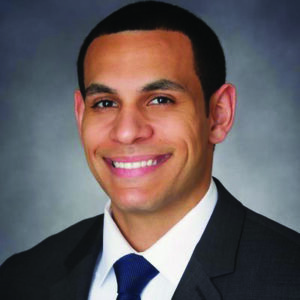
Kyrollis Attalla, MD, is a Urologic Oncologist specializing in the diagnosis and treatment of prostate, bladder, kidney, adrenal, testicular, penile, and upper tract urothelial cancers. His expertise includes robotic, laparoscopic, endoscopic, and open surgical techniques