How to cite: Klotz L. Navigating Hormone Therapy in Prostate Cancer: Strategies to Reduce Side Effects and Prolong Survival. Grand Rounds in Urology. February, 2026. Accessed Oct 2026. https://grandroundsinurology.com/navigating-hormone-therapy-in-prostate-cancer-strategies-to-reduce-side-effects-and-prolong-survival/
Summary
Laurence Klotz, MD, FRCSC, Professor of Surgery, University of Toronto, and Sunnybrook Chair of Prostate Cancer Research, Sunnybrook Health Sciences Centre, Ontario, Canada, outlines practical strategies to reduce the toxicity of androgen deprivation therapy (ADT) while preserving oncologic outcomes in prostate cancer.
As treatment intensification with androgen receptor pathway inhibitors (ARPIs), chemotherapy, and advanced imaging improves survival, long-term adverse effects of ADT require greater attention. Dr. Klotz focuses on six actionable areas: statins, bone-targeted agents, metformin, exercise, gonadotropin-releasing hormone agonist versus antagonist selection, and ARPI monotherapy.
Dr. Klotz reviews evidence supporting statin use during ADT, including improved overall and prostate cancer–specific survival in observational and secondary analyses. He emphasizes proactive bone protection, highlighting randomized data demonstrating significant gains in bone mineral density with alendronate compared with placebo.
Metformin mitigates metabolic complications, including weight gain and insulin resistance. Randomized studies demonstrate improvements in body composition and glucose parameters, although overall survival benefit has not been shown.
Exercise favorably alters body composition and may influence tumor biology.
Cardiovascular safety differences between gonadotropin-releasing hormone agonists and antagonists are reviewed. Secondary analyses suggest reduced major adverse cardiovascular events with antagonists in men with pre-existing cardiovascular disease, though randomized confirmation remains inconclusive.
Enzalutamide monotherapy preserves libido and bone mineral density but may be inferior to combination therapy and carries risks of gynecomastia and resistance mutations.
Dr. Klotz highlights the framework for men on ADT, emphasizing awareness, bone health, cholesterol management, discontinuation strategies, exercise, and selective antagonist use.
The International Prostate Cancer Update (IPCU), is a multi-day, CME-accredited conference focused on new developments in prostate cancer treatment, diagnosis, and prevention. IPCU 36 will feature lectures, interactive discussions, panel roundtables, debates, and case reports. This conference is led by expert physicians and is designed for urologists, medical oncologists, radiation oncologists, and other healthcare professionals involved in the diagnosis and treatment of prostate cancer.
The goal of this educational program is to equip healthcare professionals involved in the diagnosis and treatment of prostate cancer with the up-to-date clinical knowledge and tools they need to best treat their patients. The program will discuss the treatment of prostate cancer from diagnosis to treating advanced and metastatic disease. The conference aims to give physicians exposure to a comprehensive review of treating prostate cancer patients and to give them a chance to discuss the issues with peers and experts.
ABOUT THE AUTHOR
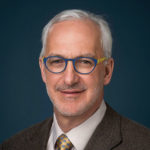
Laurence Klotz, MD, FRCSC, is a Professor of Surgery at the University of Toronto and the Sunnybrook Chair of Prostate Cancer Research at Sunnybrook Health Sciences Centre in Ontario, Canada. Dr. Klotz was the founding editor-in-chief of both the Canadian Journal of Urology and the Canadian Urology Association Journal (CUAJ) and he is now editor emeritus of the CUAJ. Dr. Kotz’s research interests include active surveillance, micronutrients, and prostate cancer prevention.