How to cite: Terlecki RP. “Session 5 Panel Discussion: Perspectives on the Evolution of Stepwise Algorithms in Urology and Medical Oncology.” Grand Rounds in Urology. October 2025. Accessed Jan 2026. https://grandroundsinurology.com/session-5-panel-discussion-perspectives-on-the-evolution-of-stepwise-algorithms-in-urology-and-medical-oncology/
Summary
This panel discussion brings together perspectives from urology and medical oncology to explore how evolving guidelines, expanding treatment menus, and emerging imaging technologies are reshaping real-world urologic practice. Moderated by Ryan Terlecki, MD, FACS, Professor and Vice Chair of Urology, Wake Forest University, Winston-Salem, North Carolina, the discussion focuses on practical decision-making rather than rigid adherence to traditional stepwise algorithms.
The panel addresses ejaculatory function and its historical underappreciation in benign prostatic hyperplasia (BPH) management. The panel emphasizes that sexual function and orgasmic sensation remain important quality-of-life considerations, even in older patients, and should be incorporated into counseling and treatment selection.
Panelists discuss how professional guidelines have evolved across erectile dysfunction, overactive bladder, and BPH. Differences between Medicare and commercial insurance policies are highlighted, along with strategies for navigating prior authorization and coverage challenges.
The discussion turns to the expanding menu of minimally invasive surgical therapies and the balance between offering multiple options and maintaining procedural expertise. Panelists debate whether more choices improve patient engagement or risk diluting proficiency, emphasizing informed decision-making and alignment with patient goals.
The panel explores appropriate use of prostate-specific membrane antigen positron emission tomography (PSMA PET) imaging in staging and recurrence of prostate cancer, cautioning against premature use in low-risk or biopsy-negative patients, and highlights the risk of false positives and diagnostic confusion when imaging is used outside established algorithms.
Emerging molecular imaging for renal masses is discussed as a potential tool to improve diagnostic certainty and reduce unnecessary interventions once approved. Audience questions further explore advanced prostate cancer management, cardiovascular risk considerations, and real-world constraints in community practice.
The panel underscores the importance of thoughtful guideline use, multidisciplinary collaboration, and individualized patient care.
About The 12th Urology Today Conference:
Presented by chair Ryan P. Terlecki, MD, FACS, the 12th Urology Today conference was designed to keep urologists, urologic oncologists, and other healthcare providers educated on the most pertinent issues in urology practices. Areas of focus included urologic oncology, men’s health and reconstruction, female urology, pediatric urology, kidney stones and related conditions, and methods of providing the best care amidst the required logistics of the business side of medicine.
For further educational activities from this conference, visit our collection page.
ABOUT THE AUTHOR

Rahul D. Mehan, MD, is the Founder and CEO of East Valley Urology Center in Mesa, Arizona. Dr. Mehan is a nationally recognized expert in minimally invasive surgery, hormone optimization, and longevity medicine. His skillset spans robotic surgeries for kidney and prostate cancer, focal therapies such as HIFU, NanoKnife, and TULSA-PRO, and comprehensive men’s health services, including testosterone optimization and vasectomy. Committed to inclusive care, Dr. Mehan also specializes in women’s urology, offering advanced treatment for recurrent UTIs, urinary incontinence, and pelvic floor restoration.
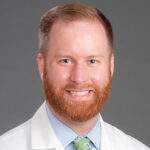
Benjamin W. Rush, MD, is a Clinical Assistant Professor of Hematology and Oncology and an Assistant Professor of Cancer Medicine at Wake Forest University in Winston-Salem, North Carolina. Dr. Rush has extensive experience in prostate cancer, renal neoplasms, and resection.
Dr. Rush earned his medical degree from the University of South Carolina in Columbia. He then completed a residency in Internal Medicine and a fellowship in Hematology/Oncology at Wake Forest University.

Ryan P. Terlecki, MD, FACS, is a reconstructive urologist for Atrium Health Wake Forest Baptist Medical Center, an academic Level 1 trauma center in Winston-Salem, North Carolina. Dr. Terlecki holds the rank of Professor and the title of Vice Chair of Research for the Department of Urology. In addition, Dr. Terlecki is Director of the Men’s Health Clinic, Director of Medical Student Education, and Fellowship Director for Reconstructive Urology. He holds a joint appointment in the Department of Obstetrics and Gynecology.
Dr. Terlecki earned his medical degree from Wayne State University School of Medicine and completed residency in general surgery and urology at Detroit Medical Center. Following his residency, Dr. Terlecki completed two separate fellowships in reconstructive surgery. He completed a fellowship at the University of Colorado’s Denver School of Medicine and at UT Southwestern Medical Center in Dallas, Texas.
Dr. Terlecki’s publications cover multiple areas of trauma and reconstruction and his research is focused primarily on models of wound healing and regeneration in the lower genitourinary system. Dr. Terlecki’s areas of expertise include urethral stricture disease, male sexual dysfunction, male incontinence, Peyronie’s disease, chronic testicular pain, hypogonadism, and infertility. He is a member of the Society of Genitourinary Reconstructive Surgeons (GURS), a member of the American Urological Association (AUA), and past president of the North Carolina Urological Association (NCUA).