How to cite: Pavlovich CP. What to do with Positive PSMA PET Detected Nodes? Grand Rounds in Urology. February 2026. Accessed Oct 2026. https://grandroundsinurology.com/what-to-do-with-positive-psma-pet-detected-nodes/
Summary
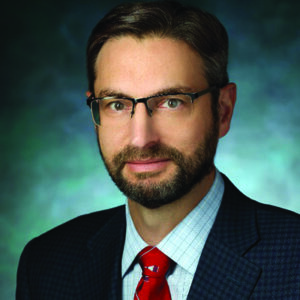
Christian P. Pavlovich, MD, Bernard Schwartz Professor of Urologic Oncology, Director of the Prostate Cancer Active Surveillance Program, Director of the Urologic Oncology Fellowship, and Co-Director of the Prostate Cancer Multidisciplinary Clinics, Johns Hopkins, Baltimore, Maryland, clarifies how to interpret prostate-specific membrane antigen positron emission tomography (PSMA PET)–positive lymph nodes and how imaging limitations should guide surgical and multidisciplinary management decisions.
Dr. Pavlovich emphasizes that while PSMA PET has high specificity, its sensitivity for detecting lymph node metastases remains limited, with approximately half of true nodal disease going undetected. Similarly, multiparametric magnetic resonance imaging frequently misses small-volume nodal disease, as most metastatic lymph nodes fall below standard size thresholds.
He reviews data demonstrating that extended pelvic lymph node dissection provides oncologic benefit in a subset of patients with node-positive disease. Outcomes are influenced by nodal burden, with fewer positive nodes and a greater number of nodes removed associated with improved long-term outcomes. However, he notes that surgical management alone is rarely curative and is typically complemented by systemic therapy.
He highlights that PSMA PET–positive nodes significantly increase the likelihood of true nodal involvement, which can inform preoperative risk stratification using predictive nomograms that incorporate imaging findings. Despite this, imaging underestimates the total nodal burden, and approximately 40% of metastatic nodes may lie outside the standard dissection template.
Emerging approaches such as radioguided and image-guided surgery are discussed as potential methods to improve intraoperative detection of metastatic nodes. Early studies demonstrate feasibility and high specificity, but limitations include incomplete detection and high recurrence rates in salvage settings.
Dr. Pavlovich highlights that optimal management remains uncertain and that, when available, priority should be given to clinical trial enrollment. In current practice, extended pelvic lymph node dissection remains recommended for high-risk patients, with selective removal of additional nodes when feasible.
He asserts that a multidisciplinary approach incorporating systemic therapy, surgery, and radiation is essential for patients with oligometastatic nodal disease, given the limitations of current imaging and surgical techniques.
The International Prostate Cancer Update (IPCU), is a multi-day, CME-accredited conference focused on new developments in prostate cancer treatment, diagnosis, and prevention. IPCU 36 featured lectures, interactive discussions, panel roundtables, debates, and case reports. This conference is led by expert physicians and is designed for urologists, medical oncologists, radiation oncologists, and other healthcare professionals involved in the diagnosis and treatment of prostate cancer.
The goal of this educational program is to equip healthcare professionals involved in the diagnosis and treatment of prostate cancer with the up-to-date clinical knowledge and tools they need to best treat their patients. The program will discuss the treatment of prostate cancer from diagnosis to treating advanced and metastatic disease. The conference aims to give physicians exposure to a comprehensive review of treating prostate cancer patients and to give them a chance to discuss the issues with peers and experts.
ABOUT THE AUTHOR

Dr. Christian P. Pavlovich, MD is a renowned urologist specializing in urologic oncology, focusing on prostate and kidney cancers. He is the Bernard L. Schwartz Distinguished Professor in Urologic Oncology at Johns Hopkins University School of Medicine and directs the Prostate Cancer Active Surveillance Program. Dr. Pavlovich is known for his expertise in minimally invasive and robotic surgeries, as well as his pioneering work in cancer detection and active surveillance strategies. He is dedicated to providing personalized, high-quality care to patients with urologic cancers.