How to cite: Choi S. “Metastatic Castration-Resistant Prostate Cancer (mCRPC): Emerging Therapeutic Approaches.” Grand Rounds in Urology. November 13, 2025. Accessed Oct 2026. https://grandroundsinurology.com/metastatic-castration-resistant-prostate-cancer-mcrpc-emerging-therapeutic-approaches/
Summary
Sharon Choi, MD, PhD, Assistant Clinical Professor, Division of Hematology/Oncology, University of California, San Diego, San Diego, California, surveys emerging therapeutic strategies for metastatic castration-resistant prostate cancer (mCRPC). Dr. Choi describes how novel hormonal therapies and radioligand treatments that once belonged exclusively to mCRPC are now used in metastatic hormone-sensitive prostate cancer and even other settings. As life-prolonging therapies shift, patients live longer, but fewer proven options remain when they eventually become castration resistant. The central question is how to address this gap using new targets and mechanisms.
Dr. Choi reviews key signaling pathways and explains how selective pressure from androgen deprivation therapy (ADT) and androgen receptor pathway inhibitors (ARPIs) drives tumor dedifferentiation and emergence of androgen receptor-independent phenotypes. As prostate cancer cells evolve, surface markers change, creating opportunities for therapies targeting cell-surface targets. She highlights the biologic heterogeneity of mCRPC, including frequent but diverse DNA repair defects and alterations in non–androgen receptor pathways, and argues that biomarker-driven strategies and molecular tumor boards are essential.
Turning to novel modalities, Dr. Choi outlines next-generation radioligand strategies, including an actinium 225–labeled antibody targeting prostate-specific membrane antigen (PSMA) that is being studied in lutetium-naive and lutetium-exposed cohorts. She reviews androgen receptor degraders using PROTAC technology.
Dr. Choi discusses bispecific and trispecific T cell engagers that physically link T cells to tumor cells. She describes antibody-drug conjugates that deliver cytotoxic payloads directly to the tumor microenvironment, including PSMA-targeted agents and repurposed payloads from bladder and breast cancer treatments.
Dr. Choi underlines that novel therapies are shifting to the hormone-sensitive prostate cancer setting and changing the treatment landscape. Despite improved survival from nine months to two to three years in mCRPC, questions remain about sequencing, reuse of the same class agents, and how best to integrate these novel approaches.
About the 32nd Annual Perspectives in Urology: Point Counterpoint conference: Presented by Program Chair and Grand Rounds in Urology Editor-in-Chief E. David Crawford, MD, this conference brought together leading experts in urology, medical oncology, and radiation oncology to discuss and debate the latest topics in genitourinary cancers, primarily prostate cancer and bladder cancer. This interactive conference offered topical lectures, pro/con debates, interesting-case presentations, interactive panel discussions, and interactive audience and faculty networking.
ABOUT THE AUTHOR
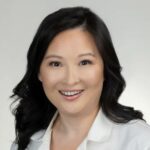
Sharon Choi, MD, PhD, is an Assistant Professor of Medicine at the University of California, San Diego, and a medical oncologist with UC San Diego Health. Dr. Choi specializes in the management of urologic malignancies, including prostate, kidney, and bladder cancers. Her practice also focuses on early-phase clinical trials involving treatments such as immunotherapy and targeted therapy for all cancer types.