How to cite: Tward JD. The Undecided PCA Consult: Optimized Counseling, Treatment Choices, and Avoiding Decision Regret. Grand Rounds in Urology. February 2026. Accessed Oct 2026. https://grandroundsinurology.com/the-undecided-pca-consult-optimized-counseling-treatment-choices-and-avoiding-decision-regret/
Summary
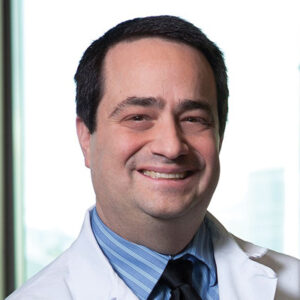
Jonathan D. Tward, MD, PhD, FASTRO, Professor of Radiation Oncology, Huntsman Cancer Institute at the University of Utah, Salt Lake City, Utah, discusses the “undecided” prostate cancer patient, who is overwhelmed by information, uncertain about personal priorities, and concerned about treatment-related side effects. He emphasizes that treatment decisions in prostate cancer carry significant implications for both survival and quality-of-life, making effective counseling essential to minimize decisional regret.
Dr. Tward identifies three primary contributors to decisional difficulty. First, physician bias significantly influences treatment selection. Data from SEER-Medicare analyses demonstrate that treatment choices vary depending on which specialists patients consult, reflecting specialty-driven recommendations rather than uniform decision-making. Second, the increasing complexity of diagnostic tools and treatment options contributes to decision paralysis. Compared to earlier eras with limited options, modern prostate cancer care includes multiple imaging modalities, genomic assays, and diverse treatment approaches, complicating patient decision-making. Third, persistent myths continue to shape patient perceptions despite evidence to the contrary.
He reviews evidence challenging several common misconceptions. Randomized and multi-institutional data demonstrate no significant difference in prostate cancer–specific survival between surgery and radiation for localized disease. Functional outcomes differ by modality, with surgery associated with higher rates of urinary incontinence and radiation associated with bowel symptoms, while sexual function outcomes vary. Importantly, long-term data show that treatment-related side effects stabilize after initial treatment rather than progressively worsening over time.
Dr. Tward highlights that decisional regret affects approximately 13% of patients and is primarily driven by unmet expectations and treatment-related side effects. He emphasizes that regret is not determined solely by treatment choice but by how well patients are prepared for outcomes.
He emphasizes that minimizing decisional regret requires multidisciplinary consultation, transparent communication, avoidance of bias, and ongoing patient support.
The International Prostate Cancer Update (IPCU), is a multi-day, CME-accredited conference focused on new developments in prostate cancer treatment, diagnosis, and prevention. IPCU 36 featured lectures, interactive discussions, panel roundtables, debates, and case reports. This conference is led by expert physicians and is designed for urologists, medical oncologists, radiation oncologists, and other healthcare professionals involved in the diagnosis and treatment of prostate cancer.
The goal of this educational program is to equip healthcare professionals involved in the diagnosis and treatment of prostate cancer with the up-to-date clinical knowledge and tools they need to best treat their patients. The program will discuss the treatment of prostate cancer from diagnosis to treating advanced and metastatic disease. The conference aims to give physicians exposure to a comprehensive review of treating prostate cancer patients and to give them a chance to discuss the issues with peers and experts.
ABOUT THE AUTHOR

Jonathan D. Tward, MD, PhD, FASTRO, is a Professor of Radiation Oncology at the University of Utah in Salt Lake City. Dr. Tward also holds the Vincent P. and Janet Mancini Presidential Endowed Chair in Genitourinary Malignancies at Huntsman Cancer Institute (HCI) and directs HCI’s Genitourinary Cancers Center in Salt Lake City, Utah. He is an internationally recognized pioneer in AI–driven digital and molecular oncology. Dr. Tward’s hybrid expertise in clinical oncology, computational science, and molecular biomarker discovery positions him as a global leader shaping the future of AI-powered digital and molecular oncology.