How to cite: Crawford ED, Hafron JM, and Granieri M. Why Low-Dose-Rate Brachytherapy Deserves a Second Look. Grand Rounds in Urology. July 2026. Accessed Oct 2026. https://grandroundsinurology.com/why-low-dose-rate-brachytherapy-deserves-a-second-look/
Summary
In this UroChat discussion, E. David Crawford, MD, Editor-in-Chief of Grand Rounds in Urology and Professor of Urology at the University of California, San Diego, San Diego, California, speaks with Jason M. Hafron, MD, Chief Medical Officer and Medical Director of Clinical Research, Michigan Institute of Urology/Solaris Health, St. Clair Shores, Michigan, and Michael Granieri, MD, President of The Conrad Pearson Clinic, Memphis, Tennessee, about why low-dose-rate (LDR) brachytherapy deserves renewed consideration. The conversation explores not only the clinical strengths of brachytherapy but also the operational challenges that have contributed to its underutilization.
Dr. Hafron explains that LDR brachytherapy remains one of the most efficient definitive treatments for appropriately selected patients with localized prostate cancer. He highlights its ability to deliver high-quality treatment in a single outpatient procedure while achieving excellent oncologic outcomes in carefully selected patients. Both presenters stress that ideal candidates generally include patients with low-risk or intermediate-risk disease, favorable urinary function, and relatively small prostate volumes, while emphasizing that patient selection remains essential to achieving favorable outcomes.
The discussion also examines practical approaches for expanding eligibility. Dr. Hafron and Dr. Granieri describe the use of prostate artery embolization, 5-alpha-reductase inhibitors, and selected cases of androgen deprivation therapy to reduce prostate size before implantation when appropriate. They note that these approaches may help more patients become candidates for LDR brachytherapy while minimizing treatment-related urinary complications.
Beyond clinical considerations, the importance of rebuilding multidisciplinary partnerships between urologists and radiation oncologists is discussed. Experienced radiation oncology collaborators, physician leadership, operational planning, and organizational support have allowed LDR brachytherapy to be successfully integrated into ambulatory surgery centers. The speakers conclude that renewed education, improved collaboration, and comprehensive patient counseling can help restore LDR brachytherapy as an important treatment option for men with localized prostate cancer.
ABOUT THE AUTHOR

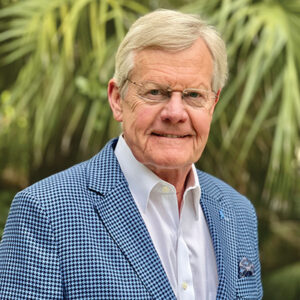
Researcher-physician E. David Crawford, MD, Jack A. Vickers Director of Prostate Research and Professor of Urology at the University of California, San Diego, San Diego, California, has devoted his career in medicine to educating the public about men's health issues and finding effective techniques and procedures to address prostate cancer, the most common malignancy affecting men in the United States.
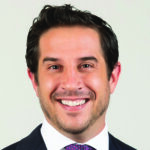
Jason M. Hafron, MD, is the Chief Medical Officer and Medical Director of Clinical Research at Michigan Institute of Urology. He is a professor of urology at the William Beaumont School of Medicine, Oakland University in Royal Oak, and is experienced in all areas of adult urology.
Dr. Hafron received his Bachelor of Science degree from the University of Michigan and his Doctor of Medicine degree from Loyola University Chicago-Stritch School of Medicine. He then completed his General Surgery and Urology Residency at Albert Einstein College of Medicine, Montefiore Medical Center in New York City, and continued his training as a Fellow in Advanced Laparoscopic and Robotic Surgery at the Cleveland Clinic Foundation, Glickman Urological and Kidney Institute.

Michael Granieri, MD, is President of The Conrad Pearson Clinic in Memphis, Tennessee, and a fellowship-trained urologist specializing in male reproductive health, prosthetic and reconstructive urology, sexual medicine, and male infertility. He is the only fellowship-trained specialist in the greater Memphis area dedicated to male infertility and reconstructive/prosthetic surgery, with expertise in erectile dysfunction, penile prosthesis implantation, Peyronie's disease, male stress urinary incontinence, vasectomy reversal, sperm retrieval, and benign prostatic hyperplasia (BPH).