NYU Langone Medical Center

Preparing Your Patient for Prostatectomy

Rachel Hastings, PA-C, Urologic Oncology, New York University Langone Health, New York, New York, outlines pelvic floor training, pain management, catheter care, and recovery guidance. Expectations are framed using the trifecta of cancer control, continence, and erections.

Read More

Biomarkers for Prostate Cancer

Prostate cancer biomarkers refine decision-making across screening, biopsy, surveillance, staging, and advanced disease. This presentation covers PHI, 4KscoreⓇ, SelectMDx, ExoDx™ Prostate, Confirm mdx, PCA3, MiPS, and genomic assays, including ProlarisⓇ, Oncotype DX Prostate ScoreⓇ, DecipherⓇ, and ArteraAI, with discussion of PSMA PET and advanced disease markers such as AR-V7 and BRCA alterations.

Read More

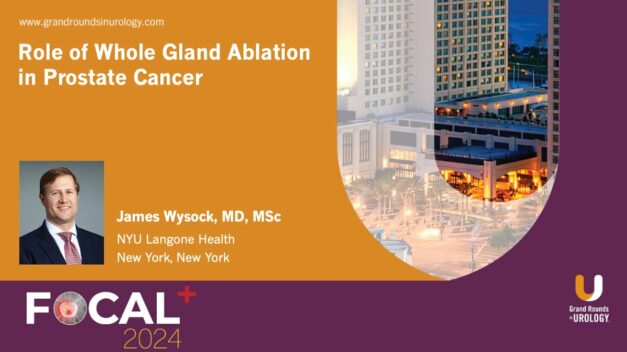
Role of Whole Gland Ablation in Prostate Cancer

James Wysock, MD, MS, delves into the evolving role of whole gland ablation (WGA) in prostate cancer management, particularly in intermediate- to high-risk cases and challenging clinical scenarios.

In this 20-minute presentation, Dr. Wysock highlights specific patient profiles where WGA may be preferable, including those with prior pelvic radiation, contraindications to surgery or radiotherapy, or elderly patients seeking less invasive yet effective treatment. In the salvage setting, WGA offers a compelling alternative for local recurrences, achieving substantial cancer control while avoiding aggressive surgical or radiation options.

Technological advancements like TULSA and HIFU enhance WGA precision. Challenges such as recurrence rates and in-field failures underscore the need for meticulous treatment planning and expanded ablation margins.

Dr. Wysock advocates for trials to validate WGA as a mainstream option, particularly in patients who cannot undergo radical treatments. This approach aligns with evolving guidelines and patient preferences, underscoring WGA’s potential as a transformative option in prostate cancer care.

Read More

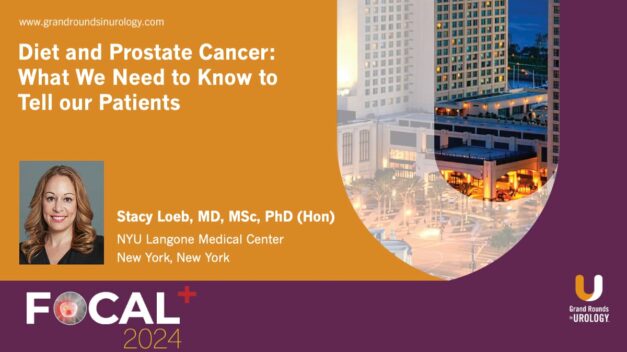
Diet and Prostate Cancer: What We Need to Know to Tell our Patients

Stacy Loeb, MD, MSc, PhD (hon), emphasizes integrating dietary and lifestyle modifications into prostate cancer management to improve patient outcomes. In this 21-minute presentation, Dr. Loeb notes that patients with localized disease are more likely to die from cardiovascular causes than prostate cancer itself, highlighting the opportunity to address broader health concerns.

Dr. Loeb introduces the six pillars of lifestyle medicine: whole food, plant-predominant nutrition, physical activity, restorative sleep, avoidance of toxic substances, social connection, and stress management. She emphasizes that plant-based diets, particularly whole foods, and plant-based patterns, reduce the risk of prostate cancer, cardiovascular disease, and erectile dysfunction while promoting environmental sustainability.

Loeb advocates for accessible patient resources, tailored educational materials, and collaboration among healthcare providers to promote these practices. The discussion addresses the importance of patient-centered approaches and the potential role of testosterone management in prostate cancer care.

Read More