How to cite: Nahar B. Focal Therapy in Prostate Cancer: Ready for Prime Time? Grand Rounds in Urology. September 15, 2025. Accessed Mar 2026. https://grandroundsinurology.com/focal-therapy-in-prostate-cancer-ready-for-prime-time/
Focal Therapy in Prostate Cancer: Ready for Prime Time? – Summary
Bruno Nahar, MD, Associate Professor of Urologic Oncology, University of Miami Miller School of Medicine, Miami, Florida, discusses focal therapy in prostate cancer, evaluating whether the approach is ready for routine clinical use. He emphasizes patient selection as central, particularly for men with favorable intermediate-risk disease, high-volume low-risk disease, or progression on active surveillance. These scenarios position focal ablation between surveillance and radical therapy.
Dr. Nahar reviews data showing that prostate cancer-specific survival is similar across monitoring, surgery, and radiation, with deaths rare in intermediate risk groups. This shifts focus to treatment toxicity. Surgery and radiation provide excellent control but can lead to urinary, sexual, and bowel side effects. Focal therapy offers a compromise by targeting lesions while preserving function.
Functional outcome data from institutional series and prospective trials show preservation of urinary continence and recovery of sexual function within 6 to 12 months. Randomized trial data, including the FARP and HEAT studies, support noninferior treatment failure rates compared with surgery. Registry data further indicate comparable cancer control with fewer side effects.
Dr. Nahar highlights advances in selection tools, including multiparametric magnetic resonance imaging (MRI), targeted and systematic biopsies, micro-ultrasound, and prostate-specific membrane antigen positron emission tomography (PSMA PET). Artificial intelligence platforms are also emerging. He notes that men with unfavorable intermediate or high-risk disease remain less suitable, as multifocal recurrence is more likely.
He stresses that focal therapy is feasible and can provide durable control in well-selected men, particularly those with favorable intermediate risk disease. Ongoing prospective and randomized studies will further clarify long-term outcomes and define its role alongside surgery and radiation.
The Global Summit on Precision Diagnosis and Treatment of Prostate Cancer is a unique multi-disciplinary forum organized to inform the key health care stakeholders about the emerging advances in clinical case and research and create a consensus-based vision for the future of precision care and educational and research strategy for its realization. The mission of the Summit is to fill the currently existing gap between the key experts of in vivo imaging, the world authorities in the in vitro fluid- and tissue-based molecular diagnostics, including genomics, and thought leaders in the development of novel observation strategies (e.g., active surveillance, or AS) and therapeutic interventions.
ABOUT THE AUTHOR

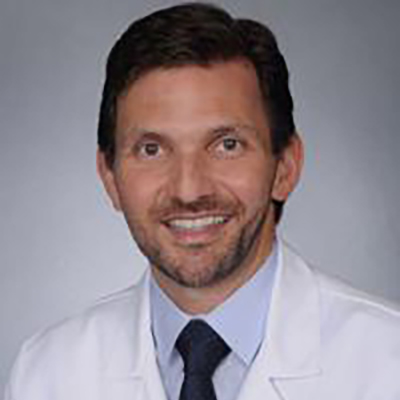
Bruno Nahar, MD, is an Associate Professor of Urologic Oncology and the Eric and Elizabeth Feder Endowed Chair in Urologic Oncology Research at the University of Miami in Florida. He is also a Visiting Professor at the Faculdade de Ciências Médicas de Minas Gerais in Belo Horizonte, Brazil. Dr. Nahar’s clinical and research interests include the study and treatment of malignant conditions affecting the prostate, kidney, and bladder. Dr. Nahar's comprehensive knowledge and innovative approach have positioned him as a pioneer in the field of focal therapy for the treatment of prostate cancer.