This content is available free to the GRU Community. Login or create an account to view it.
How to cite: Agarwal PK. How to Move Ahead in BCG-Unresponsive Disease: Selecting Initial Treatment, Sequences, and When is Enough Enough? Grand Rounds in Urology. December 2025. Accessed Apr 2026. https://grandroundsinurology.com/how-to-move-ahead-in-bcg-unresponsive-disease-selecting-initial-treatment-sequences-and-when-is-enough-enough/
Summary
Piyush K. Agarwal, MD, Professor of Surgery, Vice Chief of Urology, Director of Bladder Cancer Program, University of Chicago, Chicago, Illinois, reviews available agents for Bacillus Calmette-Guérin (BCG)-unresponsive non-muscle-invasive bladder cancer and proposes a practical sequencing framework while emphasizing when radical cystectomy should be strongly reconsidered.
Sequential intravesical gemcitabine and docetaxel remains widely used and demonstrates meaningful one-year recurrence-free survival. Additional approved and emerging therapies include pembrolizumab, nadofaragene firadenovec, nogapendekin alfa inbakicept, TAR-200 sustained gemcitabine delivery, and cretostimogene grenadenorepvec. Each agent offers distinct mechanisms, dosing schedules, and durability profiles.
Dr. Agarwal argues that three-month complete response rates are less clinically meaningful than 12-month complete response or recurrence-free survival when comparing therapies. A proposed sequencing strategy begins with gemcitabine and docetaxel, followed by immunotherapy or gene therapy, and later pivoting back to chemotherapy-based approaches if needed.
Radical cystectomy remains the standard of care for BCG-unresponsive carcinoma in situ. Reported progression and upstaging rates at delayed cystectomy range from approximately 8 to 15 percent. A two-failure rule, recurrent T1 disease, variant histology, and persistence beyond 2 years are strong triggers for proceeding to surgery.
Dr. Agarwal underscores the need to balance therapeutic innovation with careful timing to avoid missing curative opportunities.
About the 2025 International Bladder Cancer Update Expert Forum™
ABOUT THE AUTHOR
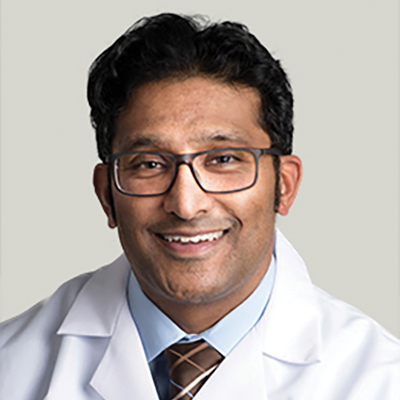
Piyush K. Agarwal, MD, serves as a Professor of Surgery, the Vice Chief of the Department of Urology, the Fellowship Director of the Urologic Oncology Program, and the Director of the Bladder Cancer Program at the University of Chicago in Illinois. Dr. Agarwal specializes in the multidisciplinary management of bladder cancer, using complex surgical techniques, such as robotic and open radical cystectomy and continent urinary diversions, to treat his patients. His clinical and laboratory research focuses primarily on bladder cancer, specifically BCG-unresponsive disease, the urinary microbiome, molecular targeted therapy, and immunotherapy.