How to cite: Klotz, L. “Micro-Ultrasound-Guided vs MRI-Guided Biopsy for Prostate Cancer Diagnosis (OPTIMUM Trial).” September 15, 2025. Accessed Jan 2026. https://grandroundsinurology.com/micro-ultrasound-guided-vs-mri-guided-biopsy-for-prostate-cancer-diagnosis-optimum-trial/
Laurence Klotz, MD, FRCSC, Professor of Surgery, University of Toronto, Toronto, Ontario, Canada, presents results from the OPTIMUM trial comparing micro-ultrasound with multiparametric magnetic resonance imaging (MRI) for prostate biopsy guidance. He defines micro-ultrasound as a high-resolution imaging modality operating at 29 MHz versus 6–9 MHz for conventional ultrasound, offering threefold greater resolution that enables real-time visualization of ductal anatomy and abnormalities associated with higher-grade cancers.
The trial enrolled 802 biopsy-naïve men at risk for prostate cancer across 20 sites in six countries. Participants were randomized to MRI fusion biopsy, micro-ultrasound alone, or both modalities (with blinding to MRI during micro-ultrasound). All patients underwent systematic plus targeted biopsies.
Dr. Klotz shares that results showed micro-ultrasound was non-inferior to MRI fusion biopsy for the detection of clinically significant prostate cancer. The Gleason grade group ≥2 detection rates were 47% with micro-ultrasound and 43% with MRI fusion, with no difference in the detection of grade group 1 disease. Secondary analyses of Gleason grade group ≥3 cancers confirmed equivalent performance. Targeted versus systematic biopsy detection rates were also comparable across groups.
Predictive values aligned with published literature. The positive predictive value of prostate imaging reporting and data system (PI-RADS) 5 was 88%, and PI-RADS 4 was 60%. The negative predictive value for PI-RADS or prostate risk identification using micro-ultrasound (PRI-MUS) 1–2 lesions was 83–89%. Limitations included open-label design, heterogeneous MRI fusion platforms, and applicability only to biopsy-naïve populations.
Dr. Klotz asserts that micro-ultrasound is a practical, lower-cost alternative to MRI-guided biopsy. Advantages include real-time guidance, a short learning curve, the absence of contrast, and lower cost. The results of the OPTIMUM trial were published in the Journal of the American Medical Association (JAMA) in March 2025.
The Global Summit on Precision Diagnosis and Treatment of Prostate Cancer is a unique multi-disciplinary forum organized to inform the key health care stakeholders about the emerging advances in clinical case and research and create a consensus-based vision for the future of precision care and educational and research strategy for its realization. The mission of the Summit is to fill the currently existing gap between the key experts of in vivo imaging, the world authorities in the in vitro fluid- and tissue-based molecular diagnostics, including genomics, and thought leaders in the development of novel observation strategies (e.g., active surveillance, or AS) and therapeutic interventions.
ABOUT THE AUTHOR
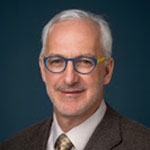
Laurence Klotz, MD, FRCSC, is a professor of surgery at the University of Toronto and the Sunnybrook Chair of Prostate Cancer Research. Dr. Klotz was the founding editor-in-chief of both the Canadian Journal of Urology and the Canadian Urology Association Journal (CUAJ), and he is now editor emeritus of the CUAJ. Dr. Klotz obtained his medical degree and completed his residency at the University of Toronto. He was also a uro-oncology fellow at Memorial Sloan Kettering Cancer Center in New York.
Dr. Klotz has 550 peer review publications and eight books. He coined the phrase “active surveillance” and successfully championed this approach for men with favorable-risk prostate cancer against substantial resistance. He was the associate editor of the Journal of Urology, responsible for prostate cancer, for eight years. Dr. Klotz received the Queen’s Jubilee Medal for outstanding public service, the University of Toronto's Lister Prize, the Society of Urologic Oncology’s SUO Medal, the American Urological Association’s Richard Williams Award, the University of Toronto's Lifetime Achievement Award, the Canadian Urological Association Lifetime Achievement Award, and the Harold Warwick Award from the Canadian Cancer Society for “outstanding contributions to cancer control.” In 2015 he was inducted as a Member of the Order of Canada, Canada’s highest civilian award.