How to cite: Sidana A. Rethinking Focal Therapy: Whole-Gland Ablation for Select Patients. Grand Rounds in Urology. February 2026. Accessed Oct 2026. https://grandroundsinurology.com/rethinking-focal-therapy-whole-gland-ablation-for-select-patients/
Summary
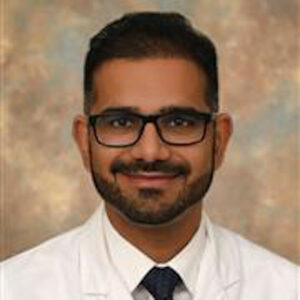
Abhinav Sidana, MD, MPH, FACS, Associate Professor of Surgery, Director of the Prostate Cancer Focal Therapy Program, Co-Director of the High-Risk and Advanced Prostate Cancer Clinic, and Urologic Oncologist, University of Chicago, Chicago, Illinois, examines whether whole-gland prostate ablation may be preferable to focal therapy in selected patients, particularly those with limited functional priorities or those seeking to minimize long-term surveillance.
Dr. Sidana discusses the benefits and limitations of focal therapy and raises the question of whether some patients may be better served by whole-gland ablation instead of partial treatment. Focal therapy is associated with excellent functional outcomes, including high rates of potency preservation and pad-free continence. However, focal approaches also carry a higher local failure risk compared with whole-gland treatments.
A major challenge following focal therapy is the burden of surveillance. Because no single test reliably detects recurrence, clinicians rely on combinations of prostate-specific antigen (PSA) testing, magnetic resonance imaging (MRI), and repeat prostate biopsies. Dr. Sidana notes that MRI alone and PSA parameters individually have limited sensitivity for detecting recurrence.
Dr. Sidana illustrates this issue with a case of a patient who underwent focal irreversible electroporation for a localized lesion. Although the treatment controlled the index tumor, the patient required continued monitoring with imaging and biopsies, highlighting the long-term surveillance burden associated with focal therapy.
Whole-gland ablation may be considered in selected patients, particularly those who are older, not sexually active, or not candidates for surgery or radiation therapy. Comparative data suggest that continence and urinary outcomes are similar between focal and whole-gland ablation, while erectile function outcomes are generally worse with whole-gland treatment. However, whole-gland ablation may achieve greater PSA suppression and lower local cancer recurrence rates.
Dr. Sidana emphasizes that whole-gland ablation can be a reasonable option for carefully selected patients undergoing prostate ablation, particularly when reducing surveillance burden is a priority.
The International Prostate Cancer Update (IPCU), is a multi-day, CME-accredited conference focused on new developments in prostate cancer treatment, diagnosis, and prevention. IPCU 36 featured lectures, interactive discussions, panel roundtables, debates, and case reports. This conference is led by expert physicians and is designed for urologists, medical oncologists, radiation oncologists, and other healthcare professionals involved in the diagnosis and treatment of prostate cancer.
The goal of this educational program is to equip healthcare professionals involved in the diagnosis and treatment of prostate cancer with the up-to-date clinical knowledge and tools they need to best treat their patients. The program will discuss the treatment of prostate cancer from diagnosis to treating advanced and metastatic disease. The conference aims to give physicians exposure to a comprehensive review of treating prostate cancer patients and to give them a chance to discuss the issues with peers and experts.
ABOUT THE AUTHOR
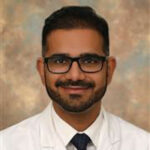
Abhinav Sidana, MD, MPH, FACS, is an Associate Professor of Surgery, the Director of the Prostate Cancer Focal Therapy Program, the Co-Director of the High-Risk and Advanced Prostate Cancer Clinic, and a Urologic Oncologist at the University of Chicago in Illinois. Dr. Sidana specializes in prostate and kidney cancer, performing both robotic and open surgery for patients diagnosed with urologic cancers. He offers robotic prostatectomy for patients with more aggressive prostate cancer, and performs open and robotic surgery for patients with complex, multifocal, and advanced kidney cancers. Dr. Sidana’s research focuses on providing organ-preserving treatment, with lower side effects, for prostate cancer. He has extensive experience with cryoablation, high-intensity focused ultrasound ablation, TULSA Pro, and irreversible electroporation of the prostate.