How to cite: Davis JW. Salvage RARP Post Ablation. Grand Rounds in Urology. February 2026. Accessed Oct 2026. https://grandroundsinurology.com/salvage-rarp-post-ablation/
Summary
John W. Davis, MD, FACS, Professor of Urology and Director, Urosurgical Prostate Program, University of Texas MD Anderson Cancer Center, Houston, Texas, reviews the technical challenges and clinical considerations associated with salvage robotic-assisted radical prostatectomy (RARP) following focal or whole-gland prostate ablation therapies.
Dr. Davis begins with surgical footage demonstrating the operative environment following whole-gland ablation. He explains that these cases often involve extremely small prostate glands and can be positioned close to the pubic bone, making surgical exposure more challenging. Fibrosis and inflammatory changes caused by prior treatment can obscure normal tissue planes and make it difficult to distinguish residual tumor from treatment-related tissue effects.
Dr. Davis describes how surgical strategy may vary depending on the prior treatment modality and extent of ablation. For partially treated glands, surgeons may begin dissection on the untreated side to establish orientation before approaching the treated region. Posterior or Retzius-sparing approaches can also help with anatomic orientation.
Prior ablative therapies produce varying degrees of fibrosis. Laser-based focal therapy may leave minimal tissue changes, whereas cryotherapy and whole-gland high-intensity focused ultrasound can create more extensive treatment effects that complicate surgical dissection. In many cases, surgeons cannot easily distinguish between tumor tissue and ablation-related fibrosis during surgery.
Dr. Davis reviews available literature on salvage surgery following focal therapy. Published series generally show acceptable continence outcomes after salvage prostatectomy, while erectile function outcomes are typically worse than those observed after primary surgery. Evidence comparing salvage surgery after focal therapy with salvage surgery after radiation suggests that radiation-associated cases often carry greater treatment-related morbidity.
Dr. Davis emphasizes that treatment decisions made during focal therapy can influence the difficulty of future salvage surgery. Close collaboration between focal therapy specialists and surgeons performing salvage procedures may help optimize patient outcomes.
The International Prostate Cancer Update (IPCU), is a multi-day, CME-accredited conference focused on new developments in prostate cancer treatment, diagnosis, and prevention. IPCU 36 featured lectures, interactive discussions, panel roundtables, debates, and case reports. This conference is led by expert physicians and is designed for urologists, medical oncologists, radiation oncologists, and other healthcare professionals involved in the diagnosis and treatment of prostate cancer.
The goal of this educational program is to equip healthcare professionals involved in the diagnosis and treatment of prostate cancer with the up-to-date clinical knowledge and tools they need to best treat their patients. The program will discuss the treatment of prostate cancer from diagnosis to treating advanced and metastatic disease. The conference aims to give physicians exposure to a comprehensive review of treating prostate cancer patients and to give them a chance to discuss the issues with peers and experts.
ABOUT THE AUTHOR
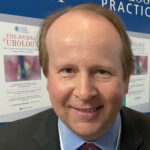
John W. Davis, MD, is a Professor of Urology and Director of the Urosurgical Prostate Program at the University of Texas MD Anderson Cancer Center in Houston, Texas. He received his BS in Biology at Davidson College in North Carolina in 1990. He then went on to earn his medical degree at the University of Virginia in 1994 and completed his residency training at Eastern Virginia Graduate School of Medicine in Norfolk, Virginia. Dr. Davis had fellowship training in prostate cancer research in the Department of Microbiology and Molecular Cell Biology at Eastern Virginia Medical School, and received an American Foundation of Urologic Disease Scholar award for proteomic applications in prostate cancer biomarkers. He completed a Clinical Fellowship in Urologic Oncology at the MD Anderson Cancer Center, and a Fellowship in Laparoscopic Urology at Charité Hospital in Berlin, Germany, under the mentorship of Ingolf Tuerk.
Dr. Davis’ clinical interests include patients with urologic cancers, laparoscopic/robotic surgery, and general urology. His academic interests include quality of life after prostate cancer treatment, outcomes for robotic radical prostatectomy, high-risk prostate cancer trials, active surveillance for prostate cancer, and development of robotic surgical techniques for invasive bladder cancer. He has participated as an investigator in several Southwest Oncology Group and industry-sponsored clinical trials.