Donna E. Hansel, MD, PhD, presented “UTUC Is it Biologically Distinct” at the 6th International Bladder Cancer Update on November 20, 2022, in Scottsdale, Arizona.
How to cite: Hansel, Donna E. “UTUC Is it Biologically Distinct.” November 2022. Accessed Dec 2022. https://grandroundsinurology.com/utuc-is-it-biologically-distinct/
UTUC Is it Biologically Distinct – Summary
Donna E. Hansel, MD, PhD, discusses the challenges presented by upper tract urothelial carcinoma (UTUC) due to its distinct biological characteristics compared to bladder urothelial carcinoma. Hansel delves into the molecular and genetic mutations, such as those in the FGFR3 and TP53 genes, that define UTUC, that guide therapeutic decisions.
Hansel explores the potential of targeted therapies and immunotherapies that specifically address the genetic aberrations prevalent in UTUC. The presentation also covers the role of comprehensive genomic profiling in identifying actionable mutations and guiding personalized treatment strategies. Further, Hansel examines the impact of anatomical location on the clinical management of UTUC.
About the 6th International Bladder Cancer Update:
The International Bladder Cancer Update (IBCU) is a CME conference focused on the diagnosis and treatment of bladder cancer. The conference offers medical professionals an opportunity to listen to updates from, and interact with, expert international faculty to improve knowledge and determine best treatment practices to improve patient outcomes. IBCU encompasses expert lectures, interactive discussions, a panel roundtable, debates, and case presentations. It is physician-led, multi-supported, and designed for urologists, urologic oncologists, and other healthcare professionals involved in the treatment of bladder cancer.
For further educational activities from this conference, visit our collection page.
ABOUT THE AUTHOR

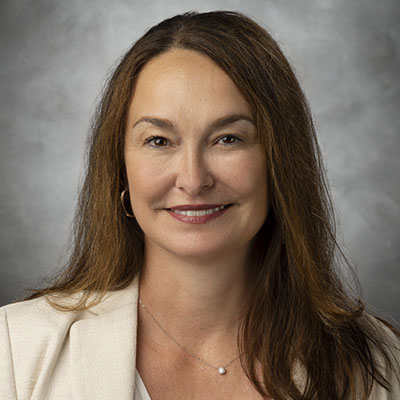
Donna E. Hansel, MD, PhD, is currently the Division Head of Pathology and Laboratory Medicine at the University of Texas MD Anderson Cancer Center in Houston, Texas. Dr. Hansel’s lab focuses on identifying high-yield, targetable pathways in advanced bladder cancer, with a strong emphasis on mTOR signaling and novel downstream targets that are involved in cell motility and invasion.