How to cite: Finkelstein SE, Pieczonka C, Lam PN. Fireside chat—radiation surgery research in group practice. Grand Rounds in Urology. Published November 2025. Accessed December 2025. https://grandroundsinurology.com/fireside-chat-radiation-surgery-research-in-group-practice/
Summary
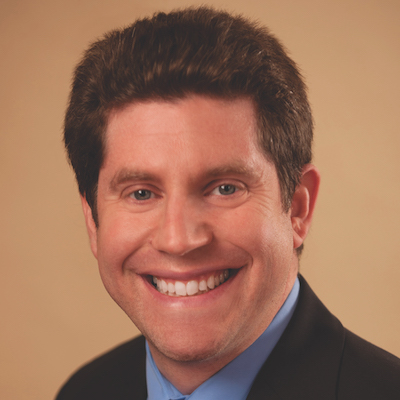
Steven E. Finkelstein, MD, DABR, FACRO, Christopher Pieczonka, MD, and Po N. Lam, MD, Associated Medical Professionals, Syracuse, New York, discuss innovation and research directions in community urology and radiation oncology. Dr. Lam emphasizes advances in robotic surgery, particularly the adoption of single-port systems. He explains that single-port surgery reduces incision size, decreases patient discomfort, and improves cosmetic outcomes. He notes that this approach enables more precise, regionally focused operations that preserve anatomy and function, while reducing collateral damage. He also highlights growing interest in focal therapy for selected prostate and kidney cancers, particularly lower- to intermediate-risk disease, as a complement to more aggressive interventions for high-grade tumors.
Dr. Finkelstein describes the expanding role of radiation oncology in group practice. He highlights radiopharmaceuticals and theranostic approaches, which couple imaging with targeted therapy, as major drivers of innovation. These strategies extend beyond traditional linear accelerators, offering opportunities to integrate stereotactic body radiation therapy with molecularly targeted treatments. He underscores the importance of supporting research through professional foundations to advance these technologies.
Dr. Pieczonka outlines the advantages of community-based research programs. He explains that most cancer care occurs outside of academic centers and that community groups can offer greater accessibility, faster enrollment, and stronger patient continuity. Patients often prefer to stay with their own physicians, which facilitates trial participation. However, challenges include explaining control arms, overcoming patient reluctance to be randomized, and addressing barriers such as travel distance. He notes that broad screening and offering all eligible patients research opportunities improve accrual.
This discussion demonstrates how group practices can advance surgical, radiation, and research innovation while addressing practical barriers to patient participation.
ABOUT THE AUTHOR
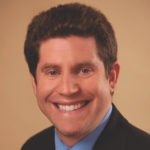
Steven E. Finkelstein, MD, FACRO, is the Director of the Center of Advanced Radiation Excellence, and Director of Radiation Oncology Research for Associated Medical Professionals in Syracuse, New York. His interests include the research of a variety of cancers, busting radiation driven, and personalized systemic therapy. He holds three international patents in the field of cutting edge technologies.
Dr. Finkelstein received his medical degree from the University of Michigan Medical School, graduating cum laude eruditions causa. He then joined the National Cancer Institute, National Institutes of Health as a Clinical Associate. He completed both a Surgical Oncology Fellowship as well as a Clinical Immunotherapy Fellowship, and an additional radiation oncology residency.
Dr. Finkelstein served a residency in General Surgery at Washington University in Saint Louis, Missouri, as well as fellowships in Biologic Immunotherapy, Clinical Cancer, and Surgical Oncology at the Surgery Branch of the National Cancer Institute in Bethesda, Maryland. He is a member of the American College of Radiation Oncology, the American Medical Association, the American Society of Clinical Oncology, the American Society for Therapeutic Radiology and Oncology, the Radiological Society of North America, and the Radiation Therapy Oncology Group.
He has served as a Co-Chair on the NRG Immunotherapy Committee, Co-Chair of the 2018-2019 American College of Radiation Oncology (ACRO) Scientific Program Committee, and Chair of the SWOG Radiation STG Committee. He currently serves on the Board of Chancellors for ACRO. Dr. Finkelstein has also served as National Director of Translational Research Consortium (TRC), the cutting-edge therapy arm of 21st Century Oncology in Scottsdale, Arizona. Inspired by his grandmother, a cancer patient, he became a dedicated cancer surgeon who found that radiation therapy could sometimes do for his patients what surgery could not.