How to cite: Taneja SS. “Focal Therapy Fallout: Managing Complications and Recurrence.” Grand Rounds in Urology. October, 2025. Accessed Apr 2026. https://grandroundsinurology.com/focal-therapy-fallout-managing-complications-and-recurrence/
Summary
Samir S. Taneja, MD, Waldbaum Gardner Professor and Chair of Urology, Professor of Radiology, Donald and Susan Zucker School of Medicine at Hofstra/Northwell, Hempstead, New York, outlines the types of complications and recurrence seen after focal therapy for prostate cancer. He explains that complications arise from device effects, thermal injury, and anatomic vulnerability. He states that contemporary focal therapy yields a low rate of significant complications, with most events being minor, self-limited, or related to predictable anatomic issues.
He describes urinary retention, urinary tract infection, and epididymitis as common early effects. Hematuria, dysuria, and irritative symptoms occur frequently but generally resolve. He emphasises the importance of distinguishing expected post-procedure changes from true adverse events. He notes rare complications, including rectourethral fistula, pubic osteomyelitis, and urethral sloughing, and explains that most occur in settings of excessive thermal exposure or in anatomically challenging regions.
He organizes recurrence into within-field and outside-field categories at the treatment margin. Within-field recurrence typically reflects an insufficient thermal dose, poor energy penetration, or tissue resistance patterns. He notes that some tumors grow in patterns that reduce heat transfer, including cribriform and intraductal features. Marginal recurrence often indicates an inadequate treatment boundary or the need for larger planned volumes. Out-of-field recurrence reflects the natural multifocality of prostate cancer or areas not captured by imaging.
Dr. Taneja presents a stepwise clinical approach using prostate-specific antigen (PSA) testing, magnetic resonance imaging (MRI), and confirmatory biopsy. PSA is nonspecific but guides the timing of evaluation. MRI identifies suspicious enhancement at the treatment margin or within the ablation cavity. A biopsy confirms clinically significant disease and determines whether retreatment, focal expansion, or whole-gland therapy is appropriate.
He emphasizes that understanding complication mechanisms and recurrence patterns improves planning and retreatment and provides more predictable outcomes for patients managed with focal therapy.
Frontiers in Oncologic Prostate Care and Ablative Local Therapy (FOCAL) is an outstanding program on prostate imaging, transperineal interventions, and ablative treatments for prostate cancer and benign prostatic hyperplasia. Bringing together community-based, academic, and industry partners, FOCAL offers lectures by world-renowned faculty and hands-on training workshops on in-office transperineal interventions, fusion-guided prostate ablation and state-of-the-art BPH management with novel technologies.
ABOUT THE AUTHOR

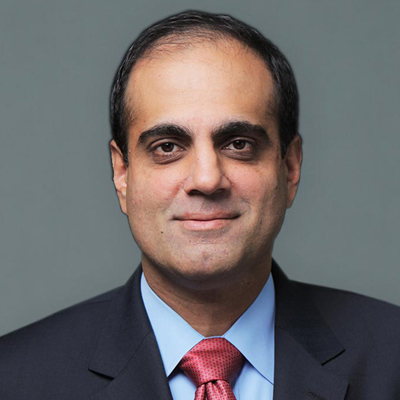
Samir S. Taneja, MD, a surgeon whose long career has been spent in driving innovation in urologic cancer diagnosis and treatment, especially prostate cancer, has been selected to lead Northwell Health’s urology service line. Dr. Taneja has been appointed the senior vice president and chair of urology at Northwell Health and the chair of the Smith Institute for Urology. Previous to his position at Northwell Health, Dr. Taneja spent 29 years at NYU Langone Health, most recently serving as vice chair of the Department of Urology, director of the Division of Urologic Oncology, and a professor of urology and radiology at the medical school, as well as professor of bioengineering at the NYU Tandon School of Engineering.
The work that Dr. Taneja conducted at NYU Langone and its Perlmutter Cancer Center and Smilow Comprehensive Prostate Cancer Center has transformed the field of prostate cancer diagnosis and treatment by improving methods of prostate imaging, cancer detection, and disease localization. Dr. Taneja strives to integrate new technologies into his practice to evolve the practice of oncology. This has allowed him to care for prostate cancer patients individually by avoiding surgery or radiation when not needed, and using new targeted approaches to treat the disease when possible.
Dr. Taneja’s clinical research focuses on the use of imaging to detect and treat prostate cancer. He pioneered the use of MRI to diagnose and pinpoint prostate cancer, and in MRI-guided focal ablative therapies that aim to destroy the only cancerous portion of the prostate. Dr. Taneja has authored more than 200 articles, 30 book chapters, and 6 textbooks and monographs on urologic cancer and surgery. In addition, he is the editor of Taneja’s Complications of Urologic Surgery: Prevention and Diagnosis, one of the most widely read textbooks in American urology.