How to cite: Meng X. Micro-ultrasound and irreversible electroporation (IRE) for treatment of prostate cancer. September 15, 2025. Accessed January 2026. https://grandroundsinurology.com/micro-ultrasound-and-irreversible-electroporation-ire-for-treatment-of-prostate-cancer/
Summary
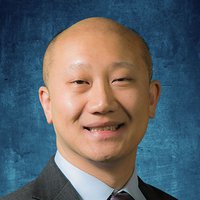
Xiaosong Meng, MD, PhD, Assistant Professor, Department of Urology, UT Southwestern Medical Center, Dallas, Texas, reviews the integration of micro-ultrasound with irreversible electroporation (IRE) as a focal therapy approach for prostate cancer. He shares insights into how micro-ultrasound may guide ablation planning, improve lesion detection, and support post-treatment assessment.
Dr. Meng outlines the current role of focal therapy, emphasizing its potential to preserve oncologic benefits while minimizing functional side effects. He noted that approximately 60 to 70 percent of patients newly diagnosed with prostate cancer in 2025 may be candidates for focal therapy based on low- to intermediate-risk disease profiles.
Dr. Meng describes IRE as a technique using high-voltage, low-energy pulses between paired electrodes to induce apoptosis. The United States Food and Drug Administration approved IRE for prostate cancer in December 2024. Data from the PRESERVE trial showed a one-year negative in-field biopsy rate of 71 percent and an 84 percent rate of no clinically significant prostate cancer, outcomes comparable with other focal modalities. Preservation of urinary continence and erectile function was generally favorable.
He highlights challenges in IRE delivery, including lesion localization, treatment margin definition, and visualization of ablation zones. Data from the OPTIMUM trial show the non-inferiority of micro-ultrasound biopsy compared to magnetic resonance imaging fusion approaches. Dr. Meng presents a case example of micro-ultrasound-aided electrode placement, treatment planning, and monitoring during IRE, with promising short-term outcomes.
He argues that focal therapy is becoming an established treatment option for prostate cancer, with the selection of energy sources and the integration of advanced imaging critical to optimizing patient outcomes.
The Global Summit on Precision Diagnosis and Treatment of Prostate Cancer is a unique multi-disciplinary forum organized to inform the key health care stakeholders about the emerging advances in clinical case and research and create a consensus-based vision for the future of precision care and educational and research strategy for its realization. The mission of the Summit is to fill the currently existing gap between the key experts of in vivo imaging, the world authorities in the in vitro fluid- and tissue-based molecular diagnostics, including genomics, and thought leaders in the development of novel observation strategies (e.g., active surveillance, or AS) and therapeutic interventions.
ABOUT THE AUTHOR

Xiaosong Meng, MD, PhD, is an assistant professor in the Department of Urology at UT Southwestern Medical Center in Dallas, Texas. He specializes in prostate, kidney, testicular, and bladder cancer. Dr. Meng's clinical interests include prostate cancer and focal therapy for prostate cancer, kidney cancer, testicular cancer, and bladder cancer.