How to cite: Taneja SS. Optimizing Ablative Modality for Treatment Outcome: Quid Quando Ubi. Grand Rounds in Urology. October 2025. Accessed Mar 2026. https://grandroundsinurology.com/optimizing-ablative-modality-for-treatment-outcome-quid-quando-ubi/
Summary
Samir S. Taneja, MD, Waldbaum Gardner Professor and Chair of Urology, Professor of Radiology, Donald and Susan Zucker School of Medicine at Hofstra/Northwell, Hempstead, New York, presents a framework to guide the optimization of ablative therapy through the principles of Quid Quando Ubi. The approach emphasises the nature of the disease being treated, the timing and sequence of evaluation and therapy, and the anatomic environment in which treatment is delivered. He explains that the success of focal therapy depends on clear objectives, including the control of clinically significant disease, preservation of functional outcomes, and avoidance of metastatic progression.
He describes how ablative modalities differ in their mechanisms of action, energy deposition, and precision, and that aligning modality characteristics with tumor attributes is central to effective treatment. Tumor size, focal nature, proximity to critical structures, and imaging visibility all influence suitability for thermal or non-thermal modalities. He notes that variations in magnetic resonance imaging conspicuity and histologic composition affect lesion detectability and thus influence treatment planning.
Dr. Taneja discusses procedural sequencing, emphasizing that biopsy confirmation, imaging review, and treatment selection must follow a logical progression. He highlights that technology selection must consider lesion accessibility, treatment field geometry, and safety boundaries. He stresses that different modalities impose different constraints regarding margins, heat sink effects, precision limits, and anatomic tolerances.
Dr. Taneja states that focal therapy outcomes depend on matching each modality to lesions that can be treated completely, safely, and reproducibly. Favourable lesion characteristics include discrete size, clear imaging definition, and a safe distance from structures where risks to function would be unacceptable. He argues that optimization requires integrating disease attributes, technology capabilities, and anatomic context to achieve consistent and durable focal therapy outcomes.
Frontiers in Oncologic Prostate Care and Ablative Local Therapy (FOCAL) is an outstanding program on prostate imaging, transperineal interventions, and ablative treatments for prostate cancer and benign prostatic hyperplasia. Bringing together community-based, academic, and industry partners, FOCAL offers lectures by world-renowned faculty and hands-on training workshops on in-office transperineal interventions, fusion-guided prostate ablation and state-of-the-art BPH management with novel technologies.
ABOUT THE AUTHOR
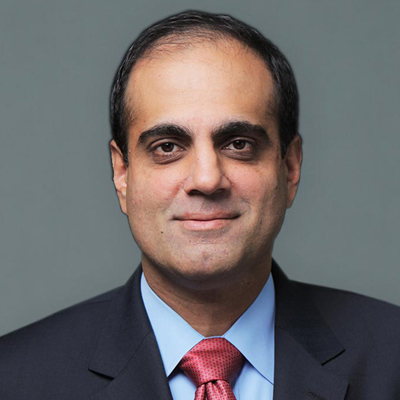
Samir S. Taneja, MD, a surgeon whose long career has been spent in driving innovation in urologic cancer diagnosis and treatment, especially prostate cancer, has been selected to lead Northwell Health’s urology service line. Dr. Taneja has been appointed the senior vice president and chair of urology at Northwell Health and the chair of the Smith Institute for Urology. Previous to his position at Northwell Health, Dr. Taneja spent 29 years at NYU Langone Health, most recently serving as vice chair of the Department of Urology, director of the Division of Urologic Oncology, and a professor of urology and radiology at the medical school, as well as professor of bioengineering at the NYU Tandon School of Engineering.
The work that Dr. Taneja conducted at NYU Langone and its Perlmutter Cancer Center and Smilow Comprehensive Prostate Cancer Center has transformed the field of prostate cancer diagnosis and treatment by improving methods of prostate imaging, cancer detection, and disease localization. Dr. Taneja strives to integrate new technologies into his practice to evolve the practice of oncology. This has allowed him to care for prostate cancer patients individually by avoiding surgery or radiation when not needed, and using new targeted approaches to treat the disease when possible.
Dr. Taneja’s clinical research focuses on the use of imaging to detect and treat prostate cancer. He pioneered the use of MRI to diagnose and pinpoint prostate cancer, and in MRI-guided focal ablative therapies that aim to destroy the only cancerous portion of the prostate. Dr. Taneja has authored more than 200 articles, 30 book chapters, and 6 textbooks and monographs on urologic cancer and surgery. In addition, he is the editor of Taneja’s Complications of Urologic Surgery: Prevention and Diagnosis, one of the most widely read textbooks in American urology.