How to cite: Terlecki RP. Clinical efficiency: team-based strategies for urology. Grand Rounds in Urology. Published October 2025. Accessed January 2026. https://grandroundsinurology.com/clinical-efficiency-team-based-strategies-for-urology/
Summary
This presentation examines practical strategies to improve clinical efficiency in urology through team-based workflows, time management, and intentional practice design. Ryan P. Terlecki, MD, FACS, Professor, Vice Chair of Urology, Atrium Health Wake Forest Baptist Medical Center, Winston-Salem, North Carolina, discusses how clinical inefficiency arises across multiple settings, including the operating room, clinic, electronic medical record, and administrative workflows, and outlines approaches to reclaim time while maintaining effectiveness and professional well-being.
Key principles emphasize time as a finite and valuable resource that must be actively prioritized and protected. The distinction between efficiency and effectiveness is clarified, with the argument that doing the right work matters more than simply doing work quickly. The presentation highlights how investing time upfront in standardized resources, workflows, and education can yield long-term gains in productivity and reduced cognitive burden.
Time management strategies include adopting a low-information diet, eliminating traditional to-do lists in favor of scheduled tasks, batching email and in-basket management, minimizing interruptions, and setting boundaries to teach others to respect clinical time. Practical communication techniques are shared to reduce inefficiency, including brevity, structured responses, and clear expectations for urgent versus non-urgent issues.
The session explores delegation and team optimization, outlining appropriate task distribution among medical assistants, advanced practice providers, nurses, scribes, and physicians. Dynamic scheduling, team-based workflows, and elimination of unnecessary tasks are presented as essential components of sustainable practice efficiency. Clinic layout, standardized pathways, and automation are addressed as additional levers to improve flow and reduce delays.
Electronic medical record optimization strategies focus on maintaining updated templates, batching documentation tasks, minimizing unnecessary documentation, and using available technology judiciously. Telehealth and phone visits are discussed as tools to improve access, reduce no-shows, and enhance patient satisfaction when used appropriately.
The presentation concludes with take-home points emphasizing that clinical time is limited, personal time should not be consumed by documentation, and sustainable efficiency requires intentional design supported by the entire care team.
About The 12th Urology Today Conference:
Presented by chair Ryan P. Terlecki, MD, FACS, the 12th Urology Today conference was designed to keep urologists, urologic oncologists, and other healthcare providers educated on the most pertinent issues in urology practices. Areas of focus included urologic oncology, men’s health and reconstruction, female urology, pediatric urology, kidney stones and related conditions, and methods of providing the best care amidst the required logistics of the business side of medicine.
ABOUT THE AUTHOR
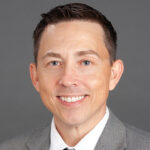
Ryan P. Terlecki, MD, FACS, is a reconstructive urologist for Atrium Health Wake Forest Baptist Medical Center, an academic Level 1 trauma center in Winston-Salem, North Carolina. Dr. Terlecki holds the rank of Professor and the title of Vice Chair of Research for the Department of Urology. In addition, Dr. Terlecki is Director of the Men’s Health Clinic, Director of Medical Student Education, and Fellowship Director for Reconstructive Urology. He holds a joint appointment in the Department of Obstetrics and Gynecology.
Dr. Terlecki earned his medical degree from Wayne State University School of Medicine and completed residency in general surgery and urology at Detroit Medical Center. Following his residency, Dr. Terlecki completed two separate fellowships in reconstructive surgery. He completed a fellowship at the University of Colorado’s Denver School of Medicine and at UT Southwestern Medical Center in Dallas, Texas.
Dr. Terlecki’s publications cover multiple areas of trauma and reconstruction and his research is focused primarily on models of wound healing and regeneration in the lower genitourinary system. Dr. Terlecki’s areas of expertise include urethral stricture disease, male sexual dysfunction, male incontinence, Peyronie’s disease, chronic testicular pain, hypogonadism, and infertility. He is a member of the Society of Genitourinary Reconstructive Surgeons (GURS), a member of the American Urological Association (AUA), and past president of the North Carolina Urological Association (NCUA).