
How to cite: Crawford ED. PET Tumor Board: Discordant PSMA and FDG PET Findings in Concurrent Adenocarcinoma and Neuroendocrine Prostate Cancer. Grand Rounds in Urology. October 2026. Accessed Oct 2026. https://grandroundsinurology.com/pet-tumor-board-discordant-psma-and-fdg-pet-findings-in-concurrent-adenocarcinoma-and-neuroendocrine-prostate-cancer/
In this presentation, E. David Crawford, MD, Editor-in-Chief of Grand Rounds in Urology and Professor of Urology at the University of California, San Diego, San Diego, California, moderates a case study discussion about discordant PSMA and FDG PET findings in concurrent adenocarcinoma and neuroendocrine prostate cancer.
The panel of experts includes:
- Wayne G. Brisbane, MD, Assistant Professor of Urology, University of California, Los Angeles, Los Angeles, California
- Sherief H. Gamie, MD, PhD, Chief – Director of the Nuclear/Molecular Imaging and Theranostics Program and a Professor of Radiology, University of California, San Diego, San Diego, California
- Daniel P. Petrylak, MD, Chief of Genitourinary Oncology, Professor of Medicine and Urology, Yale University Cancer Center, New Haven, Connecticut
- Peter Rossi, MD, FABS, FASTRO, Radiation Oncologist, Calaway-Young Cancer Center at Valley View Hospital, Glenwood Springs, Colorado
The discussion highlights discordant prostate-specific membrane antigen positron emission tomography (PSMA PET) and fluorodeoxyglucose (FDG) PET findings, neuroendocrine dedifferentiation, and the importance of multimodality imaging when prostate cancer biology evolves over time.
The case involves a patient initially diagnosed in 2006 with Gleason 3+4=7 prostate adenocarcinoma and prostate-specific antigen (PSA) of 4.6 ng/mL. The patient underwent a radical prostatectomy, demonstrating pT2c Gleason 3+4 disease, followed by salvage radiation therapy and six months of androgen deprivation therapy in 2010 after PSA recurrence. Rising PSA in 2024 led to treatment with abiraterone, prednisone, and androgen deprivation therapy.
The patient subsequently presented with lower back pain, and computed tomography (CT) imaging identified liver metastases. Liver biopsy confirmed poorly differentiated metastatic neuroendocrine prostate cancer with prostatic origin, despite persistently low PSA levels. The patient received four cycles of carboplatin and etoposide and achieved a complete radiographic response in the liver. They then entered a SWOG atezolizumab study, where they were randomized to observation.
During follow-up, imaging demonstrated uptake in a left pelvic lymph node and faint prostate bed activity, while a right adrenal lesion remained PSMA-negative. FDG PET imaging revealed intense uptake in the adrenal lesion, and biopsy confirmed recurrent neuroendocrine prostate cancer.
The panel discusses the coexistence of adenocarcinoma and neuroendocrine components that progress simultaneously. They review management considerations, including metastasis-directed radiation therapy, interpret discordant PSMA and FDG findings, and discuss how enrollment in a clinical trial could address both disease phenotypes.
ABOUT THE AUTHOR

Researcher-physician E. David Crawford, MD, has devoted his medical career to educating the public about men's health issues and finding effective techniques and procedures to address prostate cancer, the most common malignancy affecting men in the United States. He is currently a Professor of Urology and Jack A. Vickers Director of Prostate Research at the University of California, San Diego. Dr. Crawford earned his MD from the University of Cincinnati and his postgraduate training, which included an internship and residency in Urology, at the Good Samaritan Hospital in Cincinnati, Ohio. He subsequently completed a fellowship in Genitourinary Cancer at the University of California, Los Angeles. Dr. Crawford is an internationally-recognized expert in benign prostate hypertrophy, urologic cancers, and, in particular, prostate cancer. He has conducted research in the treatment of advanced bladder cancer, metastatic adenocarcinoma of the prostate, hormone-refractory prostate cancer, and other areas of urological infections and malignancies.

Daniel P. Petrylak, MD, is a Professor of Medicine, specializing in Medical Oncology and Urology, and Chief of Genitourinary Oncology at Yale University Cancer Center in New Haven, Connecticut. Dr. Petrylak is an internationally renowned medical oncologist and is considered a pioneer in the research and development of new drugs and treatments to fight cancers of the prostate, bladder, and kidney.

Sherief H. Gamie, MD, PhD, is the Chief and Director of the Nuclear/Molecular Imaging and Theranostics Program and Professor of Radiology at the University of California, San Diego, San Diego, California. Dr. Gamie specializes in nuclear medicine, with expertise in molecular imaging and theranostics, applying precision-targeted radiopharmaceuticals in the diagnosis and treatment of numerous malignancies.
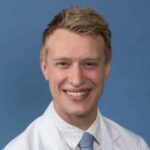
Wayne G. Brisbane, MD, is an Assistant Professor of Urology at the University of California, Los Angeles. Dr. Brisbane received his undergraduate degree from Seattle Pacific University and his medical degree from Loma Linda University School of Medicine. He completed his internship in General Surgery and residency in Urology at the University of Washington. He also served as a Research fellow for the Center for Industrial and Medical Ultrasound. Dr. Brisbane completed his fellowship in Urologic Oncology at the University of California, Los Angeles.

Peter J. Rossi, MD, FABS, FASTRO, is a Radiation Oncologist at Calaway-Young Cancer Center at Valley View in Glenwood Springs, Colorado. Dr. Rossi specializes in prostate cancer, familial prostate cancer, pleuropulmonary blastoma, and posterior fossa tumors. He is an expert in several approaches to cancer treatment, including brachytherapy, Stereotactic Radiosurgery, and Stereotactic Body Radiation Therapy.