How to cite: Lucia MS. Biopsy Specimen Handling and Integrity: Is it Time for a System Change? Grand Rounds in Urology. October 23, 2025. Accessed Oct 2026. https://grandroundsinurology.com/biopsy-specimen-handling-and-integrity-is-it-time-for-a-system-change/
Summary
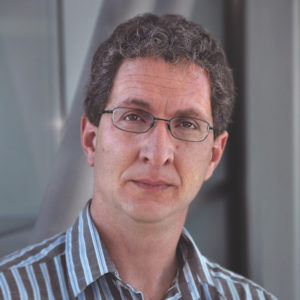
M. Scott Lucia, MD, Professor and Vice Chair of the Department of Pathology, Chief of Genitourinary and Renal Pathology, and Director of Research Histology, University of Colorado Anschutz Medical Campus, Aurora, Colorado, discusses prostate biopsy specimen handling and integrity.
Dr. Lucia emphasizes that while overall pathology error rates are reported at <1%, most problems originate before formal pathology processing. Using examples from clinical workflow, Dr. Lucia shows how multiple “touch points”, including labeling errors, transport mishandling, accessioning mistakes, and gross room processing increase opportunities for specimen loss, mix-ups, and cross-contamination. He also notes that some risks, such as tissue fragmentation, are underreported despite their significant impact on diagnostic interpretation.
Dr. Lucia describes how fragmentation interferes with cancer localization, positive core counts, and sectioning quality, particularly when multiple cores are placed into a single container or mounted on pads. He shows real examples of severely fragmented slides to illustrate how it becomes impossible to determine whether cancer fragments originate from separate cores or a single core, a problem that directly affects clinical decision-making.
He acknowledges that longer biopsy cores create additional handling challenges, including cassette fit, increased risk of fragmentation, and greater difficulty with cutting. He then discusses system-level improvement strategies. Education and structured process redesign can reduce labeling events, limit handling, improve tracking, and shorten turnaround times. He reviews quality initiatives demonstrating reduced surgical specimen error rates following structured interventions.
Dr. Lucia presents available and emerging technological solutions. FDA-approved multi-channel biopsy processing devices maintain tissue orientation and reduce handling. He also discusses a developing collection device designed to stabilize large, full-length cores while preserving orientation through the entire pathology workflow. He emphasizes that although total error rates appear low, many handling problems are preventable, fragmentation clearly affects diagnostic integrity, and technology-supported system changes may significantly improve biopsy specimen quality.
About the 28th Annual Southwest Prostate Cancer Symposium:
Presented by Program Chairs Nelson N. Stone, MD, Richard G. Stock, MD, and William K. Oh, MD, this conference educated attendees about advances in the management of localized and advanced prostate cancer, with a focus on imaging, technology, and training in the related devices. It included a scientific session, as well as live demonstrations of surgical techniques. You can learn more about the conference here.
ABOUT THE AUTHOR

M. Scott Lucia, MD, is a Professor and Vice Chair of the Department of Pathology, the Chief of Genitourinary and Renal Pathology, and the Director of Research Histology at the University of Colorado Anschutz Medical Campus School of Medicine in Aurora, Colorado. He also serves as the Director of the Pathology Shared Resource at the University of Colorado Cancer Center.