Alan H. Bryce, MD, presented “Putting Germline Testing into Context: A Primer and Current Knowledge” during the 34th International Prostate Cancer Update on February 12, 2024, in Vail, Colorado.
This content is available free to the GRU Community. Login or create an account to view it.
How to cite: Bryce, Alan H. “Putting Germline Testing into Context: A Primer and Current Knowledge.” February 2024. Accessed Oct 2026. https://grandroundsinurology.com/putting-germline-testing-into-context-a-primer-and-current-knowledge-2/
Putting Germline Testing into Context: A Primer and Current Knowledge – Summary
Alan H. Bryce, MD, explores the critical role of germline testing in prostate cancer, providing a primer on its current applications. He emphasizes identifying these genetic markers for patient management and familial risk assessment.
The 9-minute presentation considers the most relevant genes associated with prostate cancer risk, including BRCA1, BRCA2, and ATM. Dr. Bryce also highlights data problems with germline variants, questioning the representation of diverse racial and ethnic groups in clinical trials.
About The 34th Annual International Prostate Cancer Update:
The International Prostate Cancer Update (IPCU), founded in 1990, is a multi-day CME conference focused on prostate cancer treatment updates with expert, international faculty. It is led by expert physicians and is designed for urologists, medical oncologists, radiation oncologists, and other healthcare professionals involved in the diagnosis and treatment of prostate cancer. The 34th iteration of the meeting occurred February 11-14, 2024 in Vail, Colorado. To view more educational presentations from IPCU 34, visit our collection page.
ABOUT THE AUTHOR
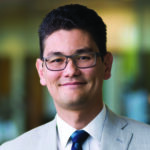
Alan H. Bryce, MD, is a Medical Oncologist and Chief Clinical Officer at City of Hope in Phoenix, Arizona. Dr. Bryce holds an appointment as a Professor with the Department of Medical Oncology & Therapeutics Research and as a Professor of Molecular Medicine at Translational Genomics Research Institute (TGen), both a part of City of Hope.