How to cite: Finkelstein, SE, and Soon-Shiong, P. “Fireside Chat: Emerging Advances in Precision Radiation Treatment and Immunotherapy.” September 15, 2025. Accessed Dec 2025. https://grandroundsinurology.com/fireside-chat-emerging-advances-in-precision-radiation-treatment-and-immunotherapy/
Summary
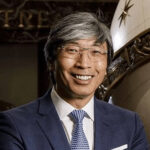
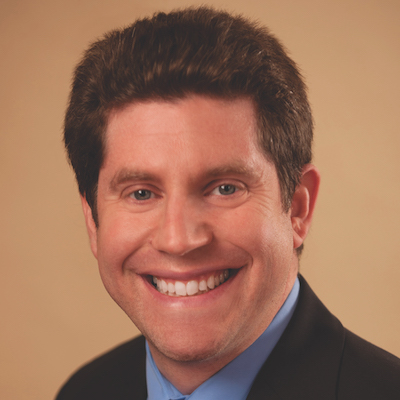
This fireside chat between Steven E. Finkelstein, MD, DABR, FACRO, Director, Associated Medical Professionals, Syracuse, New York, and Patrick Soon-Shiong, MD, Executive Chairman and Global Chief Scientific and Medical Officer, ImmunityBio, delves into the interplay between radiation therapy and immunotherapy in prostate cancer care, highlighting novel strategies to enhance the immune response and improve outcomes.
Dr. Finkelstein introduces the topic by noting recent advancements in diagnostic imaging, such as prostate-specific membrane antigen positron emission tomography (PSMA PET), and precision therapies. He emphasizes the importance of considering the immune system in prostate cancer management.
Dr. Soon-Shiong describes how his early work in transplant immunology shaped his understanding of the immune system’s role in cancer therapy. He outlines how natural killer (NK) cells and T cells play key roles in immune memory and tumor control. Dr. Soon-Shiong argues that radiation often eliminates these sensitive cells, limiting long-term immune protection.
The presenters highlight the importance of absolute lymphocyte count (ALC), a biomarker often overlooked in practice. They explain that radiation commonly induces lymphopenia, reducing ALC below 1,000, thereby impairing immune capacity.
Dr. Soon-Shiong discusses the role of interleukin-15 (IL-15) in stimulating NK cells and T cells without activating regulatory T cells. He describes the development of Anktiva (N-803), an IL-15 receptor superagonist, combined with a PSA-targeted adenoviral vaccine. A case example demonstrates how this approach, given alongside salvage radiation, achieves undetectable PSA in a high-risk patient after prostatectomy and biochemical recurrence.
Both speakers emphasize the potential to integrate immunotherapy with advanced imaging modalities and precision radiation to maximize patient benefit. They call for broader participation in ongoing clinical trials exploring these strategies. Dr. Finkelstein stresses that harnessing immune activation alongside radiation may transform outcomes in recurrent and high-risk prostate cancer.
The Global Summit on Precision Diagnosis and Treatment of Prostate Cancer is a unique multi-disciplinary forum organized to inform the key health care stakeholders about the emerging advances in clinical case and research and create a consensus-based vision for the future of precision care and educational and research strategy for its realization. The mission of the Summit is to fill the currently existing gap between the key experts of in vivo imaging, the world authorities in the in vitro fluid- and tissue-based molecular diagnostics, including genomics, and thought leaders in the development of novel observation strategies (e.g., active surveillance, or AS) and therapeutic interventions.
ABOUT THE AUTHOR

Steven E. Finkelstein, MD, FACRO, is the Director of the Center of Advanced Radiation Excellence, and Director of Radiation Oncology Research for Associated Medical Professionals in Syracuse, New York. His interests include the research of a variety of cancers, busting radiation driven, and personalized systemic therapy. He holds three international patents in the field of cutting edge technologies.
Dr. Finkelstein received his medical degree from the University of Michigan Medical School, graduating cum laude eruditions causa. He then joined the National Cancer Institute, National Institutes of Health as a Clinical Associate. He completed both a Surgical Oncology Fellowship as well as a Clinical Immunotherapy Fellowship, and an additional radiation oncology residency.
Dr. Finkelstein served a residency in General Surgery at Washington University in Saint Louis, Missouri, as well as fellowships in Biologic Immunotherapy, Clinical Cancer, and Surgical Oncology at the Surgery Branch of the National Cancer Institute in Bethesda, Maryland. He is a member of the American College of Radiation Oncology, the American Medical Association, the American Society of Clinical Oncology, the American Society for Therapeutic Radiology and Oncology, the Radiological Society of North America, and the Radiation Therapy Oncology Group.
He has served as a Co-Chair on the NRG Immunotherapy Committee, Co-Chair of the 2018-2019 American College of Radiation Oncology (ACRO) Scientific Program Committee, and Chair of the SWOG Radiation STG Committee. He currently serves on the Board of Chancellors for ACRO. Dr. Finkelstein has also served as National Director of Translational Research Consortium (TRC), the cutting-edge therapy arm of 21st Century Oncology in Scottsdale, Arizona. Inspired by his grandmother, a cancer patient, he became a dedicated cancer surgeon who found that radiation therapy could sometimes do for his patients what surgery could not.